
A Quieter Kind of Checking In
Every September, a question makes its way around the country. The message is simple: notice the people around you, and ask them how they're travelling. R U OK? Day exists because a question, asked with real care, can matter more than we expect.
I love the spirit of it, but talking is only one way a person can answer. Sometimes, being present without words can speak volumes.
For R U OK? Day — a gentle look at the ways we can check in on each other without asking anyone to find the words.
Every September, a question makes its way around the country. The message is simple: notice the people around you, and ask them how they're travelling. R U OK? Day exists because a question, asked with real care, can matter more than we expect.
I love the spirit of it. And I want to add something alongside it, not in place of it — because talking is only one way a person can answer. Sometimes, being present without words can say just as much.
The question is generous. Talking isn't the only reply.
"Are you okay?" opens a door; it’s an invitation, and not everyone walks through it in words.
For many people, being asked to name a feeling on the spot is genuinely hard. So the most honest response available might be a shrug, a long pause, a change of subject, or nothing at all.
I don't think that means the question failed. It often means the person trusted you enough not to perform. Silence can be a full and truthful answer in its own right. It can mean I don't have the words for this yet. When we make room for that, we stop asking people to hand over an answer they don't have ready.
Silence can be a full and truthful answer in its own right.
Making alongside someone is a way of being with them.
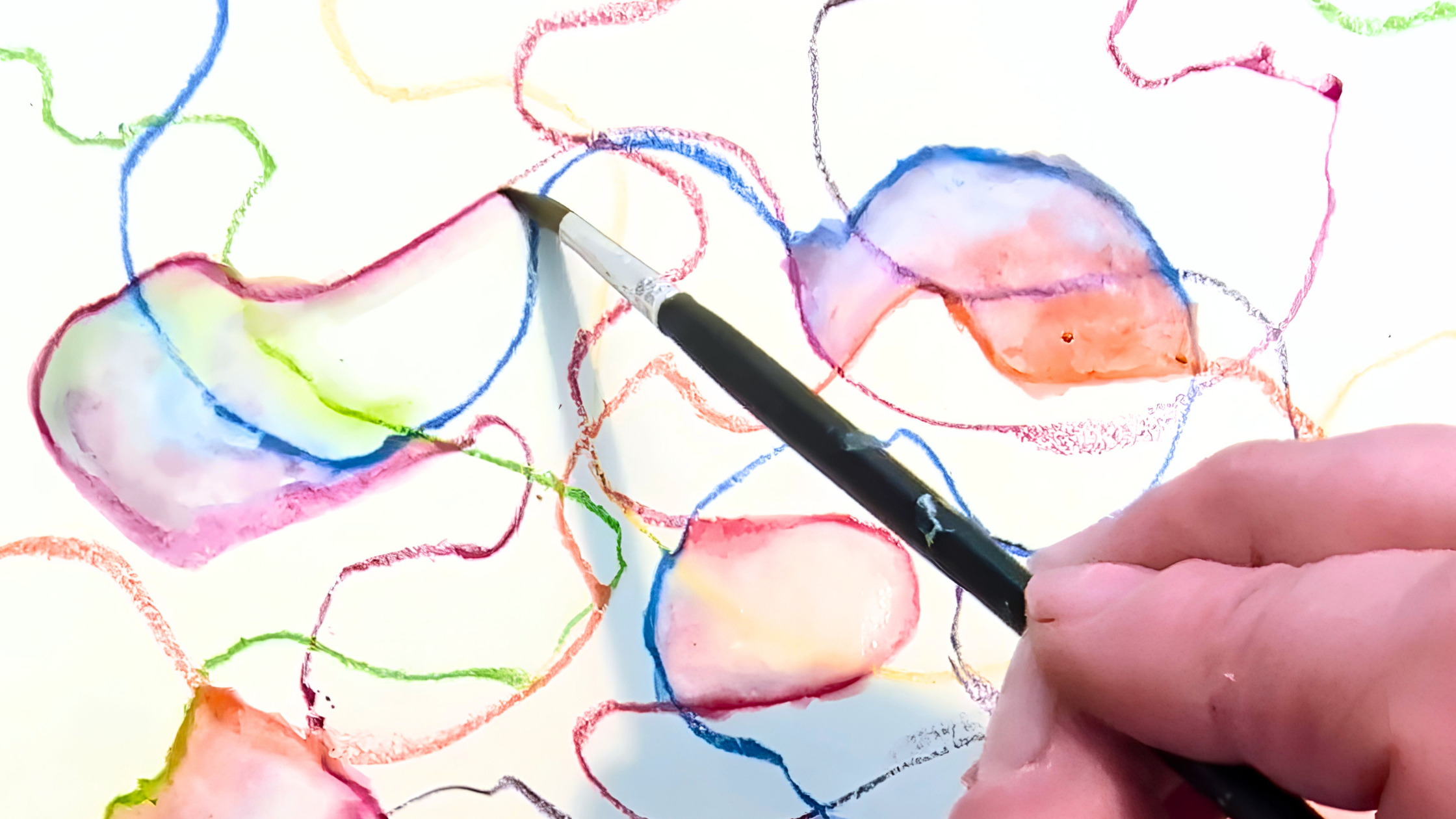
I think about this often in the studio. Picture two people at a table. Some materials between them, no agenda, just making. Nobody has to explain themselves. There's only the plain, steadying fact of another person nearby, doing something gentle with their hands.
Being alongside someone like this is a real form of care, and it doesn't require a single word. It takes the pressure off the moment; there's no question hanging in the air waiting to be answered, no eye contact to hold, no performance of fine. Company and quiet can sit together comfortably. Sometimes the most reassuring message we can offer another person isn't a question at all. It's just: I'm here, and I'm in no hurry.
And there's no wrong way to take part
Here's the part I most want people to know, because it's easy to miss: an invitation is only genuine if it comes with the freedom to decline it, pause it, or change your mind partway through.
So in the studio, nothing has to be finished. You can pick up a material and put it down again a minute later. You can make a single mark and decide that's enough for today. You can watch rather than make, or make something and never show it to anyone. You're the one who decides how far this goes, and you can stop any time — no explanation owed. That freedom isn't a loophole in the process; it is the process. When the pressure to produce something, or to get it right, is lifted off the table, what's left is a lot more honest.
I think this matters well beyond the studio, and especially around a day like this one. The kindest version of "are you okay?" carries the same quiet permission built into it: you don't have to answer, and you don't have to be okay, and I'm still here either way. Checking in on someone shouldn't add one more thing they have to manage for your sake. Real care leaves the other person in charge of how much they take up, and when.
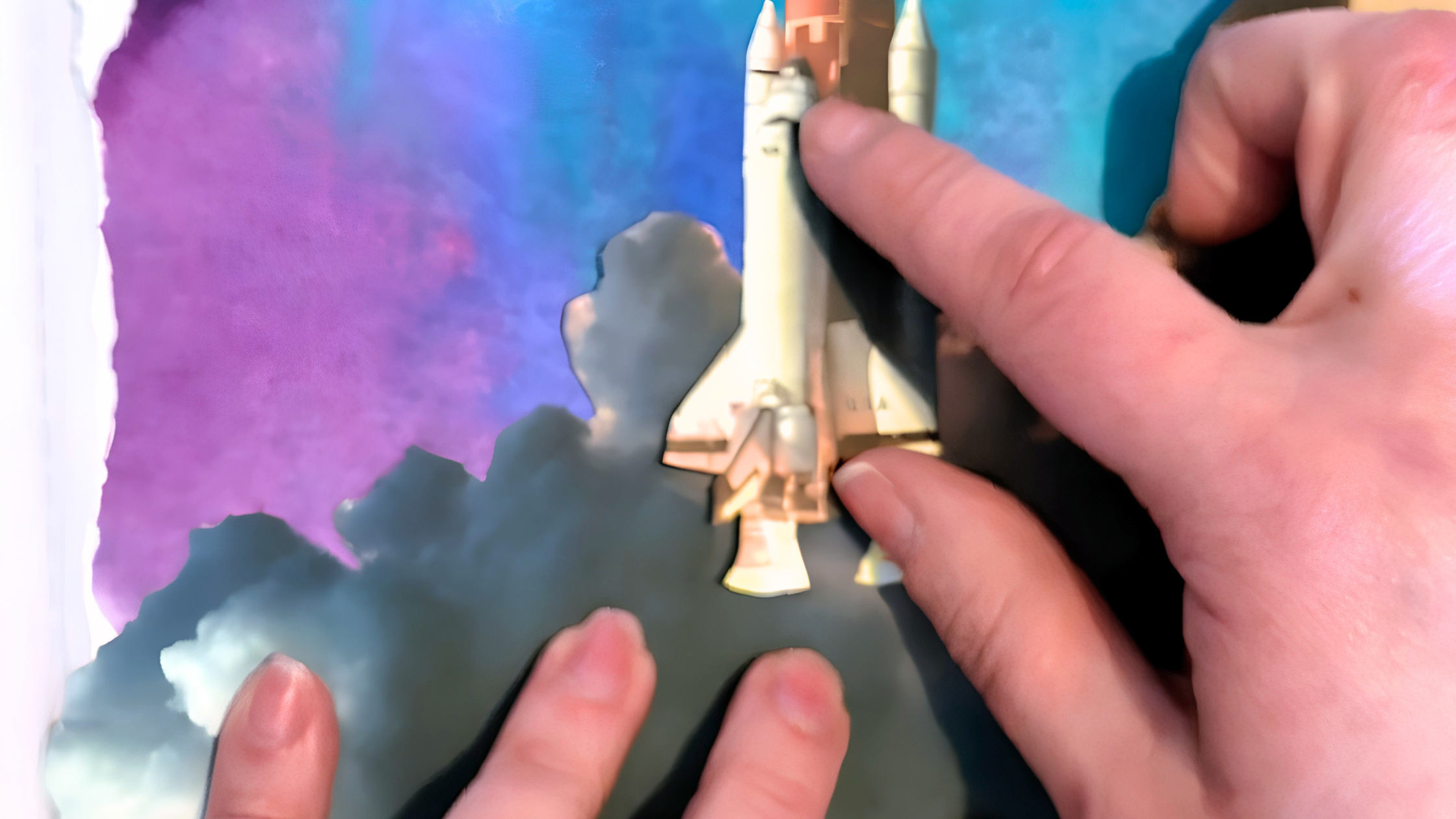
The materials can carry what words can't.
The making itself helps, too. Colour, texture, weight, repetition; these give a feeling somewhere to go when talking feels like too much. A hand can be busy while the rest of you catches up. The pressure of a pencil, the drag of a brush, the small rhythm of the same motion again and again: these ask nothing of you and still keep you company.
None of it has to become anything. None of it has to be good. It's a low-demand outlet that quietly connects you — to yourself first, and then, if another person happens to be sitting beside you, to them. You're not making art for an audience or an outcome. You're just giving the moment somewhere to land.
Where this settles
So perhaps there's a quieter version of the question worth carrying this year. Not "tell me how you are," but something closer to: "I'm here, and you don't have to explain a thing." It's the same care the day is built on, just with the pressure taken off the reply.
A closing thought
You can check in on someone simply by being near them. Sit alongside them while they do something they like. Let the moment stay wordless if that's what it wants to be. Presence is its own message: you're not alone in this, and I'm not going anywhere. It says everything, and it asks for nothing back.
With warmth,
Tegan Bailey AThR
Art Therapist
In the Making | Creative Arts Therapy
Educational content only — not a substitute for therapy.
If you or someone else is in immediate danger, please call 000. If you are experiencing acute distress, please contact Lifeline (13 11 14) or Beyond Blue (1300 22 4636) immediately for 24/7 support.